
If you are looking for an advertising display solution for a large sports venue, like football stadiums, then perimeter LED screens are definitely something you should not overlook. This article will tell you the features and uses of perimeter LED screens, and how to choose the right one.
What is a Perimeter LED Screen?

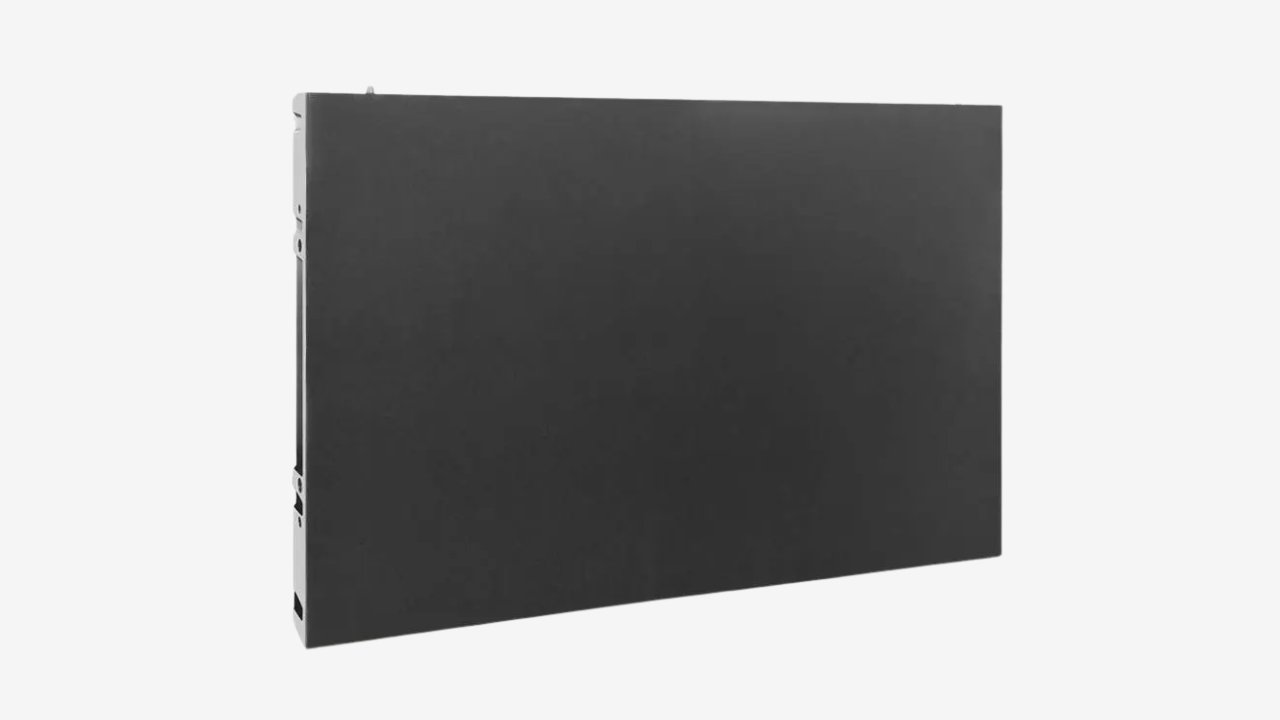
A perimeter LED screen is an LED display system typically used at the edge of a sports field in stadiums. It is mainly used to show advertisements. It is usually long and is made by horizontally connecting many LED modules together. Its length can sometimes reach tens or even hundreds of meters.
Sometimes, according to different place layouts, the perimeter LED screens can also be curved or not continuous. Its height, shape, and length are highly customizable.
What Perimeter LED Screens are Used for?

Usually, perimeter LED screens are used to display rotating ads and sponsor advertisements, such as brand logos and slogans, in stadiums or stages. The position at the edge of the field allows most people to notice the screen content. And during sports broadcasting, cameras often sweep across it, which will further increase the exposure of sponsor advertisements.
Why Do You Need to Choose Professional Perimeter LED Screens?

High Visibility
The audience in a stadium is usually seated all around the field. To let most people clearly see the sponsor advertisements, you need to choose a screen with high brightness, stable display performance, and a wide viewing angle.
The viewing angle of professional perimeter LED screens is usually 160 degrees both horizontally and vertically. This means that, even if you view the screen from the side, you can still see it very clearly.
Solid Structure and Soft Protective Mask Design
Perimeter LED screens are installed close to the competition area. Ordinary LED advertising screens usually have hard masks and do not have buffering capability. If a collision happens, the screen may be damaged, and players may get injured.
Professional perimeter LED screens usually feature soft protective masks, anti-collision structures, and shock absorption designs. Through this, the negative effects caused by collisions will be minimized. And, your maintenance costs may also be lower.
Stable and Flicker-Free Playback
The biggest exposure channel for stadium perimeter screens is undoubtedly camera broadcasting. The refresh rate of normal advertising screens is usually 1920Hz or 3840Hz. Such refresh rates may cause scan lines and flickering when you film the screen.
Professional perimeter LED screens have a reliable high refresh rate, like more than 7680Hz. This means that when you film the screen content, the shooting result will be stable and clear.
All-Weather Operation
In stadiums, screens may be exposed to heavy rain, strong sunlight, strong wind, and temperature changes. Professional perimeter LED screens usually have IP65 waterproof protection, UV-resistant materials, and wind-resistant cabinet structures. Even in bad weather, they will not get water inside or break down.
Low Failure Rate
A failure of perimeter screens may affect the commercial value of the event. Professional perimeter LED screens use high-quality LED beads, stable driver ICs, and an efficient heat dissipation design. This allows the screen to operate with stable current and an extremely low failure rate.
And, due to the modular design, if a fault really occurs, you can replace the module quickly, and minimize the negative impact.
Application of Perimeter LED Screens

Perimeter LED screens are mainly used in the following places:
- Football stadium: In a football field, perimeter LED screens are usually installed around the sidelines of the field or in front of the main broadcast camera positions.
- Basketball stadium: In this setting, perimeter LED screens are mostly placed around the field, close to the spectator stands. Sometimes, they also show pause animations or some scoring effects.
- Concert and event: Sometimes, in concerts or large event scenes, perimeter LED screens are also part of the stage design. In addition to displaying sponsor information, they can also work together with the main screen to display stage effects.
- Esports stadium: In this case, perimeter LED screens are mainly placed at the front edge of the stands. They are mainly used to display sponsor and team information.
Important Parameters for Choosing a Perimeter LED Screen

Pixel Pitch
Pixel pitch refers to the distance between the centers of two adjacent pixels on the screen. It affects whether the display effect of the screen is clear. If the pixel pitch you choose is too large, the display effect may decrease.
Generally speaking, we recommend choosing the pixel pitch according to your expected viewing distance. When the viewing distance is far, you can choose a large pixel pitch.
Brightness
Brightness is an important factor that determines screen visibility. If the brightness is insufficient, even good clarity cannot achieve its full effect. You need to determine the brightness of the LED screen based on the intensity of the surrounding light. For outdoor environments, at least 4,500 nits are required, while for indoor environments, 800 nits or more is sufficient.
Color
Color performance is also an important factor you need to consider. Not all full-color LED screens have the same color display performance. Related parameters mainly include: contrast, color temperature, grayscale, color gamut, etc. The higher the levels of contrast and grayscale, the more vivid the screen image will be.
Refresh Rate
Most stadiums have filming and live broadcasting requirements. If you have such requirements, you should choose a refresh rate above 7680Hz. With such a refresh rate, you will feel that the screen display is very stable. And when filming, you will not see flickering, black lines, or other issues.
Viewing Angle
In large venues, audiences will watch the screen from all directions. During broadcasting, the camera may also shoot the screen from the side.
Therefore, you need to ensure that both the audience and the camera can clearly see the screen content from side or top and bottom angles. High-quality LED screens usually have a 140° or 160° viewing angle in both horizontal and vertical directions.
FAQs
Is the Perimeter LED Screen suitable for Long-Term Outdoor use?
Yes. Most perimeter LED screens are designed for outdoor use. It can operate normally under various complex outdoor weather conditions: the screen can resist extreme temperatures, heavy rain, UV rays, and dust; also, it can resist strong wind and vibration. Even after several years, under normal maintenance, its protection performance can still remain like a new one.
Can Perimeter LED Screens Be Used for Live Broadcasting?
Yes. Professional perimeter LED screens meet broadcast-level display standards. They have sufficient brightness, refresh rate, and grayscale, which can make the filming effect stable and flicker-free.
And, it can work well with camera shooting methods, and still does not produce image abnormalities under different frame rates, shutter speeds, and lens conditions.
Is the Installation of Perimeter LED Screen Complicated?
The installation of perimeter LED screens is more complex than that of normal LED screens. This is because it requires a higher level of structural safety. It is usually equipped with a weighted base and an anti-slip structure. And, its tilt angle is designed to be about 5° to 15° and needs on-site calibration.
Also, when the screen size is large, the number of modules is high, and the wiring is complex, the installation difficulty will also increase accordingly.
What is the Lifespan of a Perimeter LED Screen?
The rated lifespan of professional perimeter LED screens is usually 80,000–100,000 hours. That is to say, even under 24/7 continuous operation, the screen can last 8 to 10 years.
But it is worth noting that, under real stadium usage conditions, the actual effective lifespan is generally 5 to 8 years. Impact damage, aging caused by outdoor environments, and higher module replacement frequency will all shorten the lifespan of the screen.
What Factors Affect the Price of Perimeter LED Screens?
The price of a perimeter LED screen is mainly affected by screen size, pixel pitch, and driver IC. The larger the screen size and the smaller the pixel pitch, the higher the cost of the screen will be. Besides, many other factors also affect the price of the screen, including:
- Refresh rate
- Brightness and IP rating
- Control system
- Screen shape
- Cabinet structure
Can Perimeter LED Screens Display Multiple Rotating Advertisements?
Yes. The perimeter LED screen supports multiple advertisement playback and scheduled switching. It is compatible with most mainstream control systems, and you can connect the screen to the specific control system to achieve various playback rotation functions.
Final Thoughts

JINGYLED is a professional LED screen manufacturer with nearly 20 years of manufacturing experience. We support a high level of customization. No matter what application you want to use perimeter LED screens for, we can provide you with the best solution. If you have any further questions, feel free to contact us!

