
Commercial LCDs rely on different LED backlighting technologies to deliver brightness, contrast, and image quality. Among them, Direct Lit and Full Array are two of the most common options. How do you choose the right LED backlighting technology between Full Array and Direct Lit for your business? This article will tell you the answer.
What is Direct Lit Technology?

Direct-Lit Technology is a backlighting method for LCD screens. Its LED lights sit right behind the whole screen. It does not use a light guide plate. Unlike edge-lit backlighting, this technology does not require a light guide plate, allowing light to pass directly through the screen.
What Is Full Array Local Dimming (FALD)?

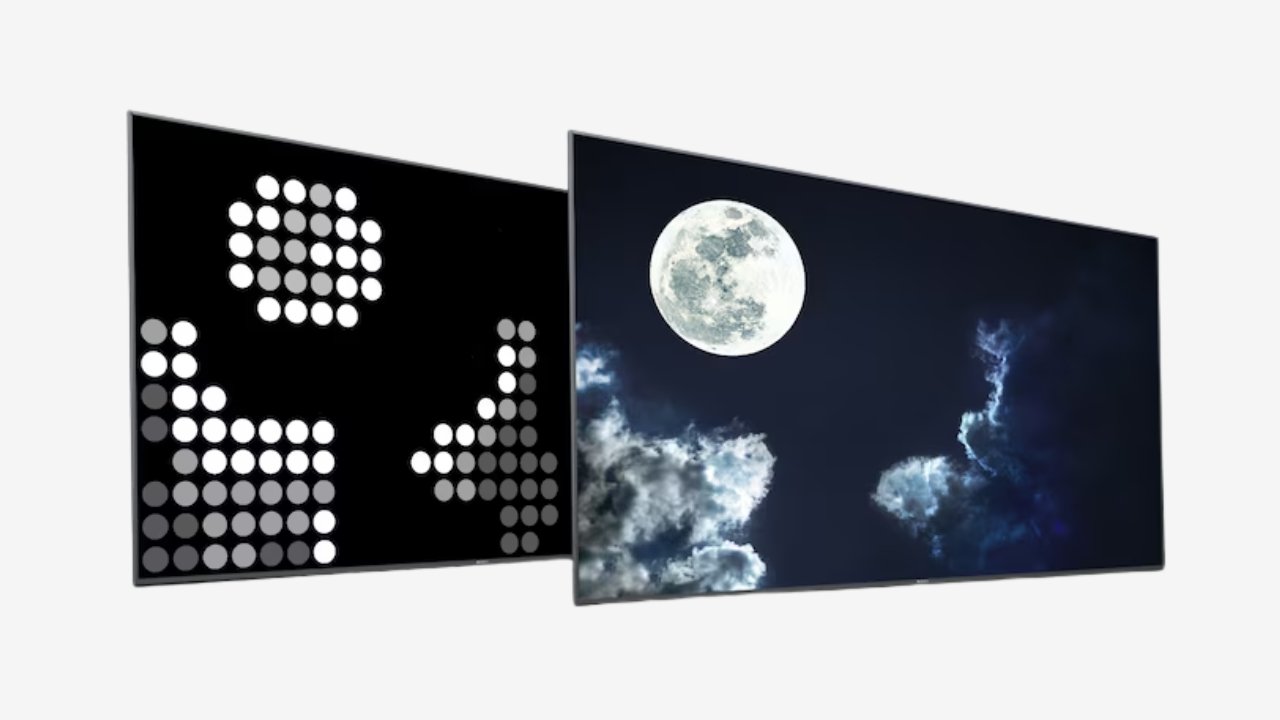
Full Array LED is not simply a Direct-Lit display with more LEDs. The key difference is local dimming. Full Array displays divide the backlight into multiple independently controlled zones, while standard Direct-Lit displays typically control the entire backlight as one unit.
Key Differences Between Full Array and Direct Lit

Brightness Uniformity
When selecting LED backlight technology, brightness uniformity is a key factor. Conventional direct-lit technology typically features very few zones. It means that all LEDs can only be adjusted as a single unit. Lower-cost Direct-Lit displays may show visible brightness variations or hotspot effects, especially on larger screen sizes.
Full Array displays incorporate local dimming zones that can be controlled independently, allowing more precise backlight management.. You can adjust each part carefully. The light spreads evenly all over the screen.
Contrast Ratio
Compared with Edge-Lit LCDs, Direct-Lit displays generally offer better native contrast because the LEDs are positioned directly behind the panel. However, without local dimming, they cannot match the contrast performance of Full Array displays.
Whether you show complex work content or brand images with clear lighting changes, these screens let you control the picture well and achieve better display results.
Black Levels and HDR Performance
The key benefit of a full-array LCD design is that it divides the backlight into many independent parts. It does not just make the screen brighter. It improves the whole picture. The dark areas look much darker, and the bright parts in HDR are easier to control.
When you play company HDR videos or show products that need clear dark tones, the Full-Array LCD Display create great visuals. Full Array backlighting provides a stronger foundation for HDR content by improving contrast and highlight control.
Energy Efficiency
LEDs are a cool light source by nature. Backlight modules use electricity and create heat. This happens when big screens operate at high brightness. Standard Direct-Lit LCD Display cannot control single zones. The backlight stays fully on. It lights a big area all the time. It does this no matter what is on the screen. This leads to higher power use.
Full-array technology works differently. It can dim or turn off LED lights in dark zones. It does this based on the content. It gives power only when it is needed. Power consumption can be reduced when displaying content with substantial dark areas, thanks to local dimming.
Heat Dissipation
Traditional Direct-Lit LCD Displays have few LEDs. They work under high brightness pressure. They often gather heat in fixed spots. They easily form local hot areas. Excessive localized heat may accelerate LED aging and contribute to long-term brightness inconsistency. It may also cause the backlight to wear out unevenly.
Heat is generally distributed more evenly across the backlight system, reducing localized thermal stress. They do not form concentrated hotspots. The metal backplate also conducts heat well. It helps release heat quickly and uniformly.
Full Array vs Direct Lit for Commercial Displays

Retail Stores
Your choice mainly depends on how you will use the screen. A common direct-lit LED display works well and costs less if you use it to show posters, menus, or words in a bright store.
You should pick a full-array LCD if you own a high-end shop and display goods like jewellery and watches against dark backgrounds. It shows flat pictures with no bright spots. It also shows deep black tones. This clear, high-quality look will make your products seem better to customers.
Control Rooms and Monitoring Centres
Surveillance videos often show scenes at night or in dim places. An ordinary direct-lit LCD Display cannot adjust the light in separate areas. This makes dark areas look grey. It also loses small details. Improved contrast can help operators identify details more easily in low-light footage.
Full Array technology helps improve image consistency across multiple displays and enhances visibility in low-light surveillance footage. People can easily see important details. They can see them even in the dark.
Broadcast Studios
Direct-Lit LCDs are cheap. They work well for static content in bright places. But they have gray shadows. They also have uneven brightness and high power use. They fail to keep consistent brightness in multi-screen setups.
Full-Array LCD Display have many adjustable zones. They show true blacks and even light. They use less power. They also have better heat loss. They perform well for long runs and spliced screens. Yet, they cost more. Their strengths are less clear for bright content.
Shopping Malls
Direct-lit backlight technology is affordable and bright enough for shopping malls. These are viewed from far away. Small issues like gray shadows and dim edges hardly ruin the visual effect.
Full-array LCD screens feature independent dimming zones. They deliver true black and uniform luminance. They suit branded films and premium product commercials. They consume less energy. They dissipate heat uniformly over extended operation. Yet, this display type costs much more than standard ones.
Educational Institutions
Direct-Lit LCDs are affordable and luminous. They suit standard classrooms. They display notes and vibrant instructional content. They perform well under typical indoor lighting for everyday lessons. Dark images might appear grey. But this barely impacts text and charts.
Full-array LCD screens feature independent dimming zones. They deliver deep black and uniform brightness. They fit multimedia rooms, auditoriums, and exhibition areas. They present sharp video details. They also provide consistent effects on large or multiple screens.
Airports
Direct-Lit LCD Display functions perfectly for flight information boards in airports. These sit at check-in counters and boarding gates. They primarily present text, figures, and luminous backgrounds. Viewers can read the content distinctly from a distance. Its minor limitations in image quality and energy consumption do not pose issues. These fundamental display requirements are satisfied.
Large promotional screens in waiting zones frequently play brand films and luxury advertisements. These contain dark sequences. Full-array LCD panels produce true black tones. They also deliver uniform brightness from every angle. It drives separate screen sections independently. This conserves power. It also dissipates heat uniformly. Thus, it can operate dependably around the clock.
How to choose between Full Array and Direct Lit?

By Budget
Direct-lit backlighting is established and far less expensive. It helps reduce upfront costs significantly. This applies when you operate on a limited budget. It also applies when you must install numerous screens. A full-array LCD possesses more dimming zones. So its components and control systems cost extra. If you can fund it, you will obtain superior images. You will also obtain more dependable long-term performance.
By Visual Performance
Direct-Lit LCD Display produce strong brightness. They show bright text and graphics clearly. Yet they make dark scenes look grey. They also leave screen edges a little dim. Full-Array LCD Display have many separate dimming areas. They can turn off the lights in dark parts. This creates true black. It also gives even brightness all over the screen. They show richer details and textures. They do this when showing dark backdrops or HDR content.
By Operating Hours
Direct-lit LED screens work steadily for long hours. Yet their backlight always stays bright. This leads to higher power use. It also causes heat buildup in certain spots. Full-Array LCD Display adjust power by content. They turn off the lights in dark areas. They use less electricity. They spread heat evenly. This gives a more stable operation. For screens that run around the clock, full-array models show clear advantages. They also work well for screens used daily for long hours. Their energy saving and heat control are better over time.
By Project Scale
For small setups or single-screen use, Direct-Lit LCD Displays are easy to install. They are also budget-friendly. Full-array technology keeps good brightness consistency across all screens. This matters for large multi-screen setups or video walls. It stops uneven and patchy visuals. If your project is for brand promotion, full-array technology is the best pick. It also works well if you need high display quality. It gives a steady and uniform visual effect.
FAQ
Does Direct Lit Require More Maintenance Than Edge Lit?
No. In edge-lit displays, manufacturers slim down the design. So the light guide plate and adhesive frame tend to warp. This happens under long-term heat. It raises the risk of uneven backlighting. Direct-Lit LCDs have a simpler structure. They also have enough room for heat dissipation. Their LEDs are fixed straight on the backplate. This gives better stability. It needs no extra maintenance.
Full Array vs Direct Lit: Which Technology Has a Longer Lifespan in 24/7 Commercial Operation?
Lifespan depends more on component quality, thermal management, and operating conditions than on the backlighting architecture itself. They use many LED lights. Each LED works with less pressure. Heat spreads out evenly. Direct-Lit LCDs are different. Their LEDs carry heavy loads. Heat builds up in small areas over time. This makes the backlight uneven. Many screens run all day and night. Good temperature control decides how long these screens can work.
Full Array vs Direct Lit: Which Technology Provides Better Performance for Video Content?
Full-Array LCD Display work much better. Videos often switch between bright and dark parts. It can lower the light separately in dark areas. This makes black tones richer. It also makes bright parts clearer. Direct-lit backlights are different. Dark parts look pale grey. Pictures do not have a strong sense of depth.
Can Direct Lit Displays Reduce the Total Cost of Ownership (TCO)?
Direct-Lit LCD Display costs less to buy at first. But they use lots of power if you run them more than ten hours each day. In high-duty-cycle applications, energy savings may partially offset the higher purchase cost of Full Array displays over time. You should add the buying price and expected power costs together. This gives you the real total expense.
Is Full Array the Same as LED Display?
Many buyers confuse Full Array LCD technology with LED displays. Full Array and Direct Lit are LCD backlight technologies. They improve image quality by controlling the LEDs behind an LCD panel. LED displays are fundamentally different. They generate images directly from LEDs and do not require an LCD layer or backlight. If you are evaluating commercial digital signage, video walls, or large-format displays, understanding this distinction is essential.
Final Thoughts

Your choice between Full Array and Direct Lit depends on your application, budget, and image quality requirements. We provide custom LED display solutions. We also give professional technical support and reliable products. These are made to meet the needs of different commercial uses worldwide. Please feel free to Contact us.

