
There are many things to think about when choosing the backlight technology for an LED screen. This article will help you figure out the difference between edge-lit LEDs and full-array LEDs. It will also help you pick the best commercial display for your business.
What Is an Edge-Lit LED?

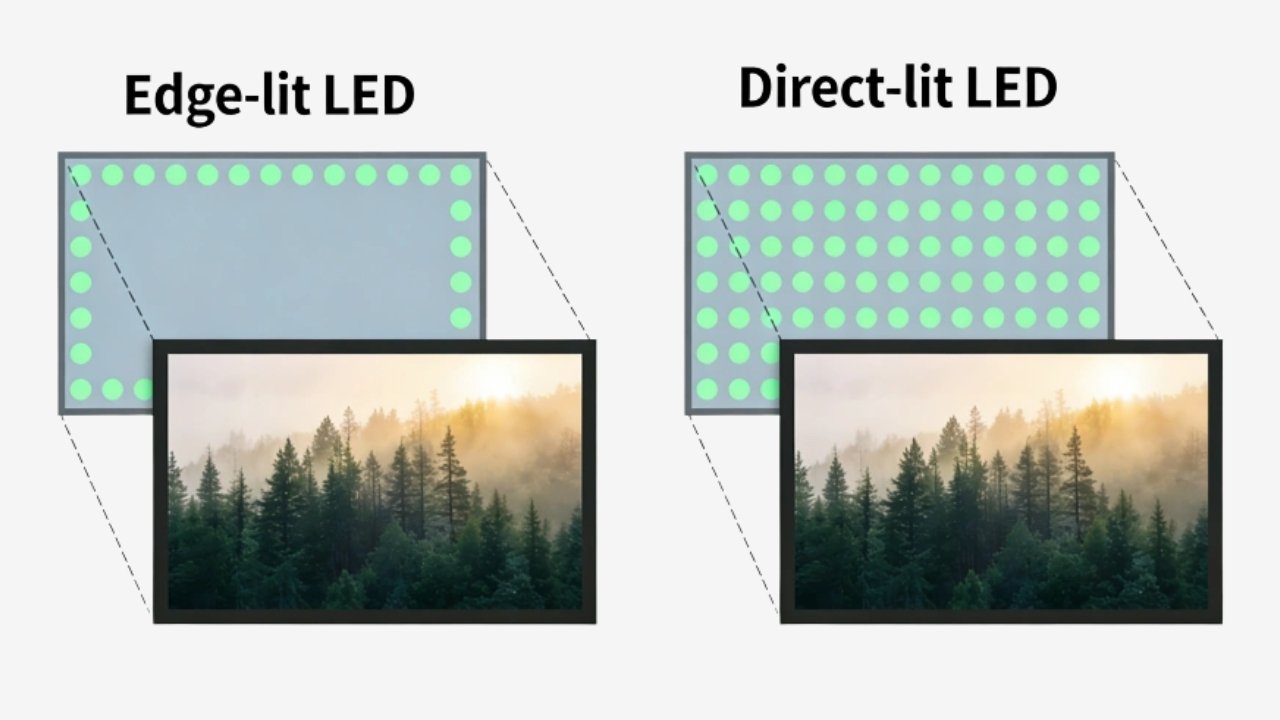
Edge-lit technology is widely used in today’s LED screens. It places LED lights along the edges of the screen. These lights use a light guide plate to spread light evenly across the screen. The light-spraying board sends out light from the LEDs to brighten the entire screen. This technology makes very thin screens possible. It is good for situations where people want an extremely slim and nice-looking design.
What Is a Full Array LED?
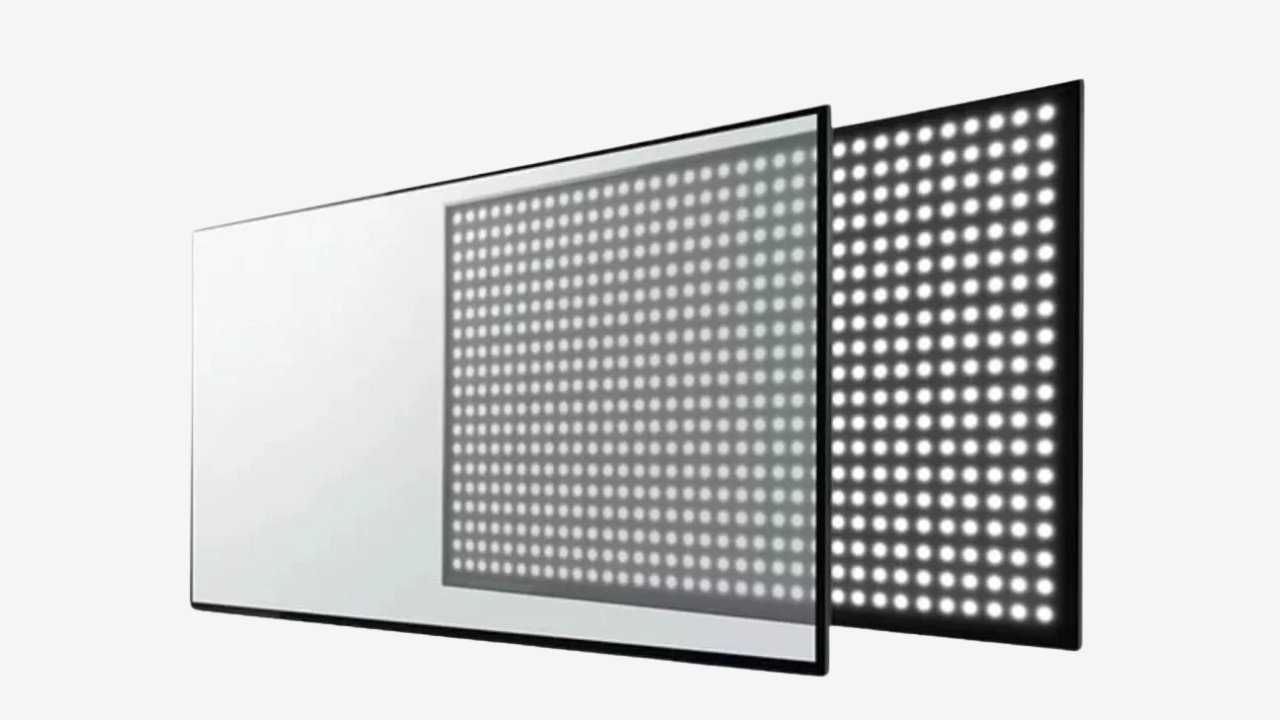
Full Array LED sets tiny LED bulbs uniformly all over the screen’s rear side. This method makes the whole screen shine with steady brightness. When using full-array local dimming technology, hundreds or thousands of individual backlit partitions adjust brightness in real time based on the content on the screen.
Key Differences Between Edge-Lit and Full-Array
Brightness
Edge‑lit LED screens can hit strong top‑level brightness. But they usually have one problem: the edges are bright while the center is dark. All the LEDs are placed around the frame, so heat builds up. This not only reduces brightness over time but also accelerates the screen’s aging. If you have a limited budget and mostly watch bright content that doesn’t need deep blacks, edge-lit screens are good enough.
In contrast, full-array screens have very uniform brightness across the whole screen. This uniformity is very important for building video walls or making professional signs.
Contrast Performance
Edge-lit LEDs can only adjust the brightness of the entire backlight in one go. For example, if you want to display a bright logo on a dark background, the entire backlight must be switched on. As a result, black areas look gray and washed out, and the effect is poor.
However, Full-array displays with local dimming support independent brightness adjustment across multiple zones. Each area can become brighter or darker on its own. This way, brand videos, cinematic content, or high-end presentations can show real deep blacks and high dynamic range, making the image look much better.
Uniformity in Light Distribution
Edge-lit LED screens emit light only from the sides. Consequently, the further the centre of the screen is from the edges, the lower its brightness. This issue is most noticeable on large displays, where the four corners of the screen are noticeably dimmer. If you put several edge-lit screens together to make a video wall, lower-end edge-lit screens may show uneven brightness near the edges or corners, which looks very unpleasant.
Full-array LED screens are different. They place small LED lights evenly across the entire back, and the light shines directly forward. Whether the screen is small or large, the difference in brightness between the center and the edges is very small.
HDR Performance
The primary purpose of HDR is to display both extremely bright areas and deep shadows simultaneously. Edge-lit display technology adjusts the brightness or darkness of the entire screen as a single unit. Consequently, they are unable to render bright highlights and deep shadows.
Furthermore, even a slight change in your viewing angle can significantly reduce HDR performance. So if you care a lot about HDR picture quality, edge-lit screens may not be good enough.
Full-array local dimming is made for HDR by nature. Its bright areas and dark areas do not affect each other. When playing HDR videos, metal reflections and neon signs look very textured and high-end. If you often show HDR content such as brand films or high-end presentations, full-array is the better choice.
Installation Flexibility
In edge-lit LED screens, all the LED bulbs are housed within the screen’s bezel. This enables manufacturers to produce extremely slim panels that fit in perfectly with popular design trends. They are also usually much lighter than full-array screens. This puts less weight on walls and makes transport and installation easier. If you’re organising a temporary exhibition or pop-up shop that needs quick assembly, the side-entry design proves extremely practical.
Full-array LED screens are different. They need space for the back LEDs and control circuits, so they are usually a few centimeters thick. Even though they are thicker, they also have stronger and stiffer bodies. Full-array screens are more stable for hanging, standing on poles, or moving on carts. These screens retain their original shape even after prolonged use. Consequently, full-array screens offer greater stability for a permanently fixed installation with robust structural integrity.
Energy Efficiency and Power Consumption
Edge-lit LED panels typically use fewer light bulbs and therefore consume less electricity at normal brightness levels. As the light must pass through a light diffuser, this type of large screen often has uneven light distribution and offers poorer energy-saving performance.
Full-array screens have many LED bulbs. Their local dimming capability reduces additional backlight power in dimly lit environments. This helps to improve overall energy efficiency in certain commercial applications.
Choosing Between Edge-Lit and Full-Array for Different Applications

Airport and Transport Information Displays
When choosing display screens for airports or traffic, industrial direct-lit displays or modular full-array displays are a better choice than edge-lit displays. Edge-lit designs tend to concentrate heat around the screen edges. This may cause dark corners on the screen. If there is a problem, workers need to remove the whole screen for repair.
Direct‑lit screens work in another way. They can run all day and all night stably. The brightness looks even across the whole screen. People can also see the content clearly from different viewing angles.
Retail Store Displays
If you run a high-end brand or a flagship store, full‑array FALD is highly recommended. It shows deeper blacks and stronger contrast. Your ads can look clearer and more premium. Your brand will not look cheap.
For normal stores, direct-lit displays are more suitable. They give even brightness and stable long-term use. The cost is also easier to control. Edge-lit screens can work for stores that only show bright and simple content.
Conference Rooms
For high-end conference rooms or lecture halls, full-array FALD is a better choice. Edge-lit screens can make dark PPT backgrounds look gray. The corners can also look dark. This can give clients a poor impression of your company. FALD displays show deeper blacks and more even brightness. Your meeting room can look more professional.
Screens with direct backlighting are better suited to small and medium-sized meeting spaces. These screens provide consistent brightness and ensure that charts and data are clear. They are also relatively affordable and easy on the budget. Large screens with edge lighting, on the other hand, often suffer from dark corners, which can disrupt teamwork and reduce productivity.
Control Rooms
Industrial direct-lit or full-array FALD displays are more suitable for control rooms. Control rooms often use video walls. These screens need even brightness across the whole display. Edge-lit screens can have dark corners and dark edges. The screen seams can become very easy to see.
Control rooms also need screens to run all day and all night. Edge-lit screens can keep heat inside the frame. After long use, the screen edges may become dim. If there is a problem, workers must remove the whole unit for repair. This can create a big risk.
Outdoor Digital Signs
For outdoor digital signs, you can choose high-brightness direct-lit displays or outdoor-specific FALD screens. Strong sunlight and heat around the frame can cause edge-lit screens to lose brightness. In some cases, the screen may turn completely black.
If the advertisement stops running, the business can lose all advertising income. Outdoor LED screens need stable brightness. The direct-view panel distributes heat evenly across the entire display surface. Its brightness remains consistent even after prolonged use. If there is a problem, workers can repair only the damaged part. The screen can return to normal use within a few hours.
FAQ

Is Full Array LED Worth the Higher Cost for Commercial Displays?
Yes. It is worth choosing for the right use. If you require deep blacks, even brightness, or HDR performance, pick full-array backlighting. It does not have the dark corners or bright spots that edge-lit backlighting can cause. If your content is always bright and simple, edge-lit backlighting can save money.
Edge-Lit vs. Full Array: Which Display Technology Is Better for High-End Showrooms?
Premium exhibition spaces are best suited to full-array backlit screens. These screens are capable of producing deep blacks, sharp contrast, and consistent overall brightness. Your products can look more high-end and professional. Edge-lit backlighting can make dark areas look gray. The corners can also be uneven. This can make your brand look low-quality.
If you want to impress customers and show quality, pick full-array backlighting. Choose edge-lit backlighting only when you show bright, simple content and need a very thin screen.
Edge-Lit vs. Full Array: Which Option Has Lower Long-Term Operating Costs?
Full-array LED usually costs less to run in the long term. Edge-lit LED keeps heat inside the frame. This lowers efficiency and shortens its life. Full-array LED spreads heat evenly. The LED chips stay cooler and last longer.
Edge-Lit vs. Full Array: Which Technology Requires Less Maintenance in Commercial Applications?
Business places use full-array LED screens. These screens need less care. Edge-lit screens keep heat in the edges. This makes the LEDs wear out faster and break sooner. When they fail, you must take the whole screen apart to fix it.
Full-array screens spread heat evenly. Their parts last longer. Many full-array screens let workers replace the single parts. People can change drivers or LED boards right on the screen in a few minutes. The screen stops working less, and repairs are needed less often.
Is Full Array LED More Reliable for 24/7 Operation?
Yes. Edge-lit screens keep heat in their thin edges. This makes the LEDs too hot and wear out faster. Full-array screens spread heat across the whole back panel. They stay cooler and last longer. If you use screens all day and night, choose full-array LEDs. Edge-lit works only for short or light use.
Final Thoughts

We make high-quality LED screens, offering full‑array and edge‑lit types. We sell these screens for showrooms, control rooms, and business areas. Contact us for free and let us help make your project a success.

