
The technology behind LED displays redefines how we communicate, create intelligent environments, design spaces, etc. New trends are combining digital content with our daily experiences, workplaces, and architecture. In this article, we’ll consider the evolution of the LED display technology and areas where it has made its mark.
The Evolution of the LED Display Technology

Let us discuss how the LED display technology has grown from its birth, how it has experienced transition and made huge improvements.
Change from Traditional LEDs to Micro-LED and Mini-LED Architectures
The first LED displays worked with large LED packages that restricted the flexibility in design and the resolution. This change to mini-LED technology brought about smaller LEDs, which ensured better contrast, denser backlighting, and better control for local dimming. This progress led to advances in image depth and less consumption of power.
Micro-LED is the most recent breakthrough, making use of self-emissive and microscopic LEDs. Micro-LED displays provide better brightness, greater durability, etc. This is why they are useful for large-format video walls, commercial displays, and consumer applications for future use.
Despite all these benefits, one drawback here is that micro-LEDs are expensive, which could limit its use.
Improvements in Color Accuracy, Brightness, and Pixel Pitch
Advancements in calibration and manufacturing have reduced the pixel pitch, thereby allowing very high resolution displays regardless of the viewing distance. Also, higher levels of brightness allows visibility in outdoor and daylight environments, while better thermal management ensures consistent performance.
Same way, wider color gamuts and refined calibration of color, offers inviting and more accurate visuals. In addition, these enhancements ensure that today’s LED displays are appropriate for everything possible including retail environments, broadcast studios, smart spaces, and more.
High-Resolution and Fine Pitch Displays

This advanced LED technology has lower pixel pitch, which results in sharper text and smoother images even at close viewing distances. Displays with these qualities offer better performance, increased brightness, and are more durable compared to traditional LCDs. Therefore, they are very useful in indoor environments.
Rising Demand for Sub-1.0mm Pixel Pitch Displays
As more organizations require higher resolution and enhanced performance in LED displays, there has been an increasing demand for sub-1.0mm pixel pitch displays. These displays have become more available in the market due to development in production techniques, which allows for accurate detail reproduction.
Use Cases in Professional and Corporate Settings
In professional applications like control rooms and broadcast studios, fine-pitch LED displays offer real-time visuals and backgrounds with color accuracy. In corporate settings, these displays are useful for brand presence, collaboration, and presentations..
Despite the benefits fine-pitch LED displays offer, calibrating them could become an issue.
See-Through and Transparent LED Displays

Transparent LED displays are changing the way digital content mixes with our physical space. In contrast to conventional screens, these transparent LED displays allow the passage of visibility and light and still present dynamic and unique visuals. This ability allows the integration of digital messaging, preserving the architectural intent and openness, and the addition of communication layers.
Architectural Integration in Commercial Facades, Airports, and Retail
Transparent LED displays are useful in retail environments as storefront windows. This helps to show promotions and maintain clear sightlines. Also, airports make use of them for advertising without blocking natural light or passenger flow. For commercial facades, they help in transforming building exteriors to dynamic media surfaces, enhancing the urban aesthetics and branding while merging with steel and glass structures seamlessly.
Balancing Structural Design, Brightness, and Visibility
Ensuring proper balance between image clarity and transparency is important. Engineers usually optimize structural support, pixel spacing, and brightness carefully to make sure that the content stays bright while ensuring architectural harmony, energy efficiency, and safety maintenance.
Creative LED Form Factors
Bendable Panels
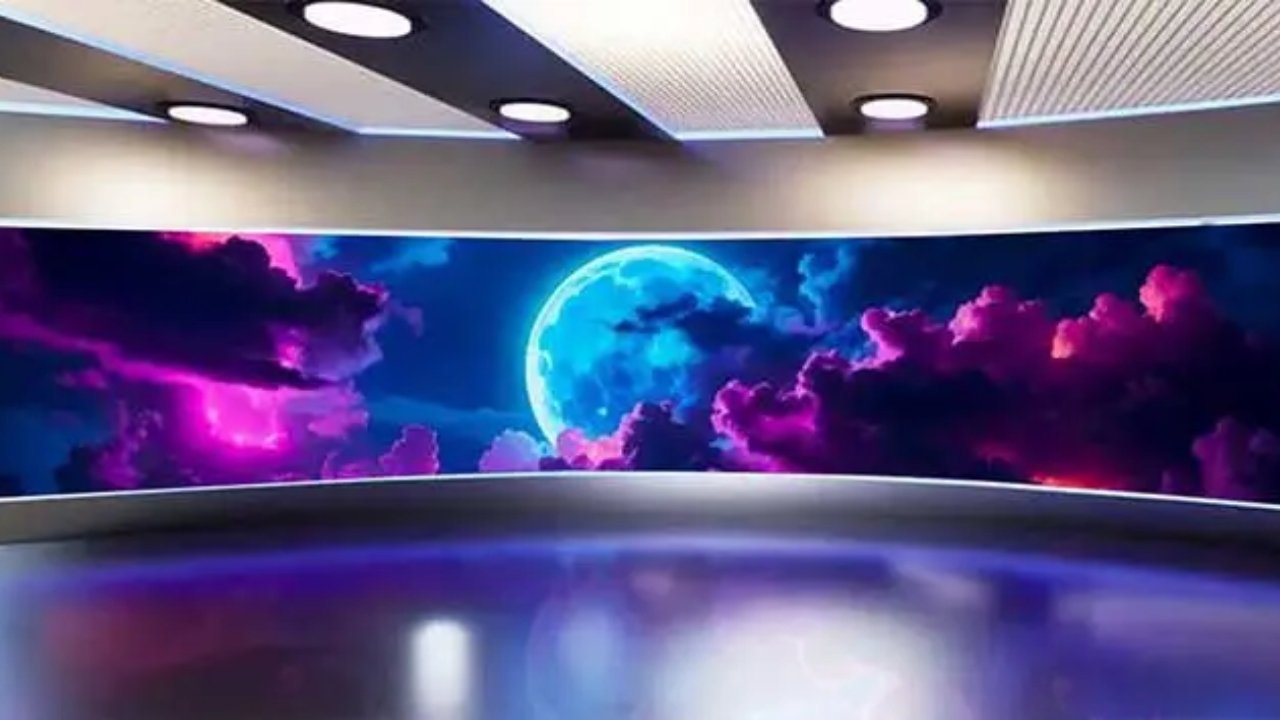
Bendable LED panels offer a high level of flexibility, allowing your displays to wrap, curve, and align with architectural structures. These panels enable you to create complex contours and intricate shapes like cylinders, helping you achieve installations that give you a more exciting view.
Due to these qualities, bendable LED panels are useful in public spaces like exhibitions and museums. In such applications, these panels increase the engagement of viewers and allow natural visual movement.
Modular design and the use of lightweight materials in LED displays make installation easier while ensuring good-quality images.
Custom-Shaped LED Displays for Special Applications
LED displays with custom shapes are becoming popular in experiential marketing and live stage. Many brands use these displays to create unique identities in crowded spaces. Instead of the regular rectangles, these displays are transformed into sculptural elements.
Creative LED displays are compatible with performance themes and can easily adapt to dynamic lighting effects. These custom displays work together with motion and sound, which provides quality visuals that catch the attention of audiences and turn events into an immersive experience.
Smart Display Capabilities and AI-Driven Content

Automated Content Adaptation with respect to Environment and Audience
Automated content adaptation leverages the power of AI to adjust visuals based on audience demographics and environmental features. Making use of analytics and AI-powered sensors, allows displays to modify messaging with respect to the movement pattern, dwell time, and demographics of the audience.
Environmental factors like location, time of day, and ambient light further affect the content format, contrast, and brightness. This allows optimal visibility and creating experiences that ensures better communication and engagement in corporate, retail, and public spaces.
Predictive Visual Messaging and Real-Time Integration of Data
Real-time integration of data allows LED displays to get live information from different sources. These include inventory systems, event schedules, weather updates, etc. AI-driven analytics immediately processes the data, ensuring that displays can present context-aware and timely content.
Predictive visual messaging goes the extra mile by analyzing behavioral data as well as historical trends to predict the needs of the audience. This leads to proactive communication which supports dynamic transactions, operational efficiency, and smart decision making within digital environments.
Energy-Efficiency and Sustainability in Modern LED Displays

Lower energy usage and advanced heat management system
Manufacturers are now focusing on key factors like energy efficiency in the production of LED displays. The recent development in diode technology and circuit engineering have contributed to effective power management in LED displays, thereby reducing energy use. Despite their low energy consumption, these LEDs ensure increased brightness and offer exceptional image quality.
The integration of heat dissipation systems like improved airflow designs and high-quality thermal materials helps to prevent overheating in displays. Low energy consumption reduces operational costs, especially in displays used in application areas like commercial signage and stadiums.
Due to these developments, LED systems can work for a longer period without using excessive energy.
Sustainable Materials
The type of materials and method used in production can contribute to sustainability in LED displays. Manufacturers are now using recyclable materials and modular parts that are easy to upgrade or repair, reducing the frequent need for replacement.
Sustainable manufacturing is safe for both humans and the environment as a whole as it reduces material waste, emissions, and resource use. By integrating environmentally friendly strategies, manufacturers ensure parts and components in displays are recyclable. These displays are not only eco-friendly but also offer quality visual output, and exceptional overall performance. This sustainable approach is shaping the future of displays across different applications.
LED Displays in XR Environments and Virtual Production

Use in Broadcast, Film Studios, and More
LED displays have changed the trend around television, film, and media by delivering dynamic backgrounds, high resolution, and making adjustments possible. In broadcast environments and film studios, large LED ceilings and walls create virtual sets that are realistic and give immediate response to changes in lighting and camera movement.
Also, this technology ensures that production teams, cinematographers, as well as directors visualize scenes, while on set.
In the gaming space, LED displays are also incorporated in XR environments for training simulations, gaming, etc. which enhances realism.
High-Fidelity LED Volumes Replacing the Green Screens
LED volumes are rapidly displacing green screens through the projection of photorealistic and high-fidelity imagery onto the LED panels that surround actors during sets. With this approach, reflections and natural light can interact with props and performers, thereby creating a unique visual experience. Changing backgrounds dynamically also helps to improve the efficiency of workflow, reduce compositing challenges, etc.
Quick Installation Systems
Easy Maintenance and Tool-less Assembly
Manufacturers now include features that make installation easier and more convenient for users. These modern LED displays don’t require tools for their assembly as technicians can mount and secure them easily. Therefore, this reduces errors related to installation.
Furthermore, these modern displays allow you to service modules from the front of the display. With this approach, maintenance is easy to carry out as you don’t need to dismantle whole walls. These new developments increase operational efficiency and make LED displays suitable for different spaces. Furthermore, LEDs with front-access designs reduce issues that may occur during maintenance.
Streamlined Large-Scale Deployment
Modular designs and wireless systems make LED display assembly and installations easy. When Panels connect without the need for extensive cabling, it minimizes the time used for setup. Also, this enables technicians to perform flexible configurations for unique settings.
Modular components help you quickly replace or scale sections without disrupting the whole system. With these features, the frequency of downtime will drastically reduce and help organizations to mount high-performance LED displays easily. Modular designs in displays offer several benefits like reliability, operational efficiency, and flexibility. These advancements in design positively contribute to the experiences of viewers especially in large-format visual displays
Adoption across Industries and Market Convergence

LED Displays replacing projection systems and LED walls
LED displays are taking the place of traditional LCD projection systems in several industries. This is possible due to their durability, accuracy of color, and superior brightness. In contrast to projectors, LED displays offer consistent quality for images in bright areas and provide large-format and seamless visuals.
Expansion into industrial applications, education, and healthcare
Beyond the corporate and entertainment space, LED technology has ventured into industrial applications, education and healthcare. For healthcare, LED screens of high resolution support patient engagement, telemedicine, etc. In the education sector, they ensure interactive learning with dynamic and clear content.
Lastly, industrial facilities make use of LED displays for operational dashboards, safety alerts, and real-time monitoring. This adoption across the industry shows the versatile nature of LED displays, transforming how we present information, and showing its effectiveness in professional environments.
FAQs

How much decline is in the prices of LED displays across different pixel pitches?
The prices of LED displays have gradually dropped by 10-20% annually. Finer pixel pitches have experienced reductions as production efficiencies increase and organizations’ demand for high-resolution displays increases.
What certifications should reliable and quality LED Displays?
Quality LED displays should have certifications such as ISO, RoHS, FCC, and CE. These certifications indicate safety, reliability, durability, and compliance in LED displays
How do LED displays perform compared to OLED for long-term use?
LED displays perform better than OLED when it comes to long-term usage. This is because LED displays offer increased brightness and lower risk of burn. Therefore, this makes them ideal for use in large -scale applications.
What are the most common maintenance challenges of fine-pitch LED walls?
The common challenges associated with fine-pitch LED walls during maintenance include module misalignment, pixel failure, and calibration drift. Front-access maintenance can help technicians to deal with these issues.
What regions are integrating modern development in LED display manufacturing?
Japan, China, South Korea, and a few countries in Europe are top-leading manufacturers that integrate modern features in LED displays. These regions include features like smart displays and AI in LED displays.
How does LED display trend affect digital signage content design?
Common trends like high resolution and flexible form factors ensure engaging and dynamic digital signage suitable across LED display application environments.
Final Thoughts: Partner with JINGYLED

Capitalizing these LED display trends requires professional partnership. Companies including JINGYLED channel their energies in translating these advances into durable and reliable systems that adhere strictly to industry certifications. Before choosing a partner, make sure they can provide the professional support required to transform these innovations to life.

