
In reality, many LED screens suffer from glare or a washed-out appearance when exposed to strong light. To solve the problem, anti-glare LED screens have emerged. Suppose you are looking for a suitable anti-glare LED screen for your project. In this article, I will provide you with a detailed buying guide.
What Is an Anti-Glare LED Screen?

An anti-glare LED screen is a display that features a specialized optical coating and structural design. It can diffuse strong light to reduce glare, thus solving the problems of screen glare and washed-out images.
The Importance of Anti-Glare LED Screens

Guaranteed HD Quality
When intense light reflects off an LED screen, it creates bright spots and reflections that obscure the original images. Therefore, LED screens exposed to outdoor sunlight suffer from a washed-out appearance, making text and images difficult to discern.
Anti-glare LED screens can reduce reflections, ensuring a clear view even in bright environments. Meanwhile, the specially designed display panel can automatically adjust its brightness according to ambient light, thus ensuring that the LED screen image stays clear even in sunlight.
Better Eye Protection
Harsh lighting can cause eye strain and may even lead to dry eyes. Anti-glare screens soften light and reduce glare, ensuring comfortable viewing for long periods. Anti-glare technology enhances image clarity, minimizes the effort required to focus, and reduces eye strain.
Reduce Safety Hazards
The glare from LED screens not only causes eye discomfort but can also lead to temporary blindness, potentially causing traffic accidents. The anti-glare LED screen remains clearly visible all day, ensuring an unobstructed view and preventing safety hazards caused by glare.
Furthermore, the anti-glare LED screen expands the viewing range, ensuring that the screen information is visible from any angle. This ensures that viewers can accurately obtain information from any position, avoiding misinterpretations due to obstructed view or unclear images.
Anti-Glare Technologies for LED Displays

AG Anti-Glare Technology
The principle of AG anti-glare technology is to form a micron-level textured surface on the display screen, resulting in a frosted finish. When light shines on it, the uneven surface scatters the reflected light in all directions, thereby reducing the intensity of the light in a single direction and reducing glare.
AG anti-glare technology is one of the most widely used anti-glare solutions today. It keeps LED screens clear even under strong light and allows comfortable multi-angle viewing without harsh glare. In addition to excellent visual effects, screens treated with AG technology are also more resistant to dirt and fingerprints.
AR Anti-Reflection Technology
AR anti-reflection technology uses destructive interference to eliminate reflected light. It works by coating the LED display with multilayer optical films of alternating high and low refractive indices.
When light shines on the screen, the thin film creates a counteracting wave that cancels reflected light and reduces glare.
LED screens with AR anti-reflective technology can display deeper blacks and higher color contrast, resulting in more vibrant colors and sharper image quality. What’s more, LED screens with AR anti-reflective technology feature a smooth and grain-free surface, which brings the audience a better visual experience.
Optical Lens Optimization
Optical lens optimization involves adding an optical lens in front of the LED beads to optimize the light emission method from the source, thereby reducing glare. LED screens with this technology use prisms to scatter the light from the LED beads at a preset angle, resulting in more uniform screen brightness.
Different from the surface coating technology used in AG and AR, the optical lenses are embedded in the screen, making them more resistant to damage.
Application Scenes for Anti-Glare LED Screens

Outdoor High-Brightness Environments
Outdoor Commercial Advertising LED Screen
In outdoor environments, direct sunlight causes severe reflections on LED screens, creating glare that washes out the displayed content. This will not only cause visual fatigue for viewers but also create light pollution under long-term operation.
Therefore, for outdoor projects, anti-glare LED screens are a good choice. They ensure clear visibility all day, thereby maximizing the return on advertising spend. Meanwhile, the anti-glare LED screens can automatically adjust brightness according to ambient light, reducing light pollution in the city.
LED Traffic Guidance Screen
LED traffic guidance screens are installed in many crossroads to display real-time traffic information. However, ordinary LED screens suffer from severe reflection problems under complex lighting conditions. This will wash out traffic information, so passengers can’t read the information from different angles, thus causing them to miss their trains.
That’s why anti-glare LED screens are so important. They feature an anti-glare coating that reduces reflections and keeps the image clear even in strong light. The screen is glare-free, and viewers can read information from any angle, improving travel safety and efficiency.
Stadium Big Screen
The lights in the stadium are very strong. Glare on the screen will affect the quality of broadcast images and degrade the viewing experience.
If you are looking for LED screens for a sports stadium project, anti-glare LED screens are a solid choice. The screen uses AG technology and light-absorbing materials to reduce glare. This ensures stunning visuals, and the audience can see the screen clearly from any angle. What’s more, they are easier on the eyes and help reduce eye strain.
Indoor High-Glare Environments
Operations Control Center
Anti-glare LED screens are commonly used in traffic control centers for monitoring road conditions. This screen’s anti-glare design eliminates reflections and bright spots from indoor light strips, ensuring a clean, clear picture with no stray light.
Meanwhile, the optical lens balances the light and stops the screen brightness from changing too suddenly. This helps the staff see a clear image from any angle, thus improving operational accuracy.
Multimedia Classroom
In a multimedia classroom, indoor lights often shine directly on the LED screen. This creates lots of bright spots that make the text blurry and distract the students. The anti-glare LED screen eliminates glare and uses low blue light technology to reduce eye fatigue, protecting students’ vision. Plus, its wear-resistant surface can withstand frequent writing on smart blackboards.
Key Factors for Choosing an Anti-Glare LED Screen

Reflectivity
Reflectivity refers to the proportion of light that is reflected to the human eye after it shines on an LED screen. The lower the reflectivity, the stronger the screen’s resistance to light interference, and the clearer the picture will be.
When choosing a suitable anti-glare LED screen for your project, you should choose one with a reflectivity of less than 5%. A screen with this specification will reduce glare and deliver a clear image.
Haze
Haze is the percentage of direct light that an anti-glare LED screen scatters into diffused light. When light scatters more, the haze level is higher. However, higher haze isn’t always better. Excessive haze can make the screen appear blurry, thus reducing image clarity.
Therefore, to balance anti-glare and image clarity, indoor anti-glare LED screens typically have a haze level between 10% and 20%. Outdoor anti-glare LED screens require higher anti-glare performance, with haze values ranging from 20% to 40%.
Contrast Ratio
Contrast ratio refers to the ratio of the brightest area to the darkest area of an anti-glare LED screen. The higher this ratio, the clearer the image and the more vibrant the colors. A standard anti-glare LED screen has a contrast ratio of ≥ 5000:1. If your project requires sharper image quality, it’s best to use an anti-glare LED screen with a contrast ratio of ≥10000:1.
Certifications
High-quality anti-glare LED screens need to pass the three major eye-care and anti-glare certifications from TÜV Rheinland. These are TÜV anti-reflective certification, TÜV low blue light certification, and TÜV flicker-free certification. Passing these three tests means the anti-glare LED screen is truly non-reflective, flicker-free, and easy on the eyes.
FAQ
Will the Image on an Anti-Glare LED Screen Be Blurry?
A high-quality anti-glare LED screen won’t look blurry. This is because its haze is controlled within a reasonable range, which reduces glare without killing clarity. At the same time, it also uses lens optimization technology to enhance image sharpness at the source.
Do Anti-Glare LED Screens Help Reduce Eye Strain?
Yes, anti-glare LED screens can reduce eye strain. This screen has a special coating that reduces glare and softens the image. Your eyes won’t have to strain to adjust to changing light, so even after watching for hours, you won’t feel any dryness or soreness.
Moreover, anti-glare LED screens that are truly easy on the eyes have earned TÜV Rheinland’s triple certification for eye comfort and glare reduction.
What Is the Lifespan of an Anti-Glare Coating on an LED Screen?
The lifespan of the anti-glare coating on an LED screen depends on the material and the environment in which it is used. Generally, the lifespan of anti-glare coatings for indoor LED screens is 8 to 10 years, while that for outdoor screens is 3 to 5 years. To extend the lifespan of the coating, please avoid exposing the screen to direct sunlight for a long time and setting the screen brightness too high.
Which Consumes More Power: An Anti-Glare LED Screen or a Regular LED Screen?
At the same brightness, anti-glare LED screens consume more power than regular LED screens. This is because the anti-glare coating absorbs some light, so the LED beads need extra power to achieve the same brightness.
What Precautions Should Be Taken When Removing Dust from an Anti-Glare LED Screen?
Anti-glare LED screens feature a special coating and require extra care when cleaning. Disconnect the power before cleaning, then gently wipe with a microfiber lint-free cloth. Remember not to use alcohol, as it may dissolve the coating.
Final Thoughts

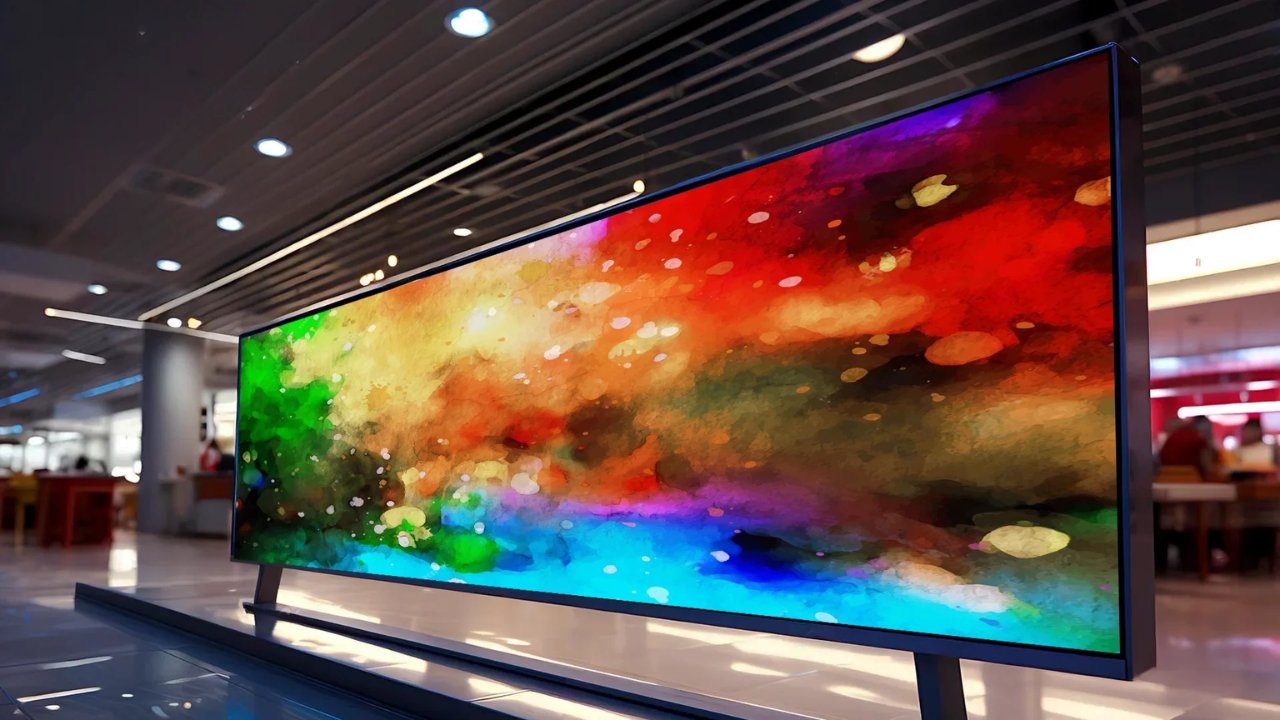
As you can see, the anti-glare screen stays clear even in bright sunlight. If you are looking for the best partner for your anti-glare LED screens, JINGYLED will be your best choice. Our company has a professional technical consulting team. They can help you choose the best anti-glare screen. Please don’t hesitate to contact us for anti-glare LED screens.

