
Outdoor advertising is the best way to build brand trust and establish a presence in the real world. There are many types of outdoor advertising on the market. Which one is best suited to you? This article will guide you through the options.
What is Outdoor Advertising?

Outdoor advertising is a form of mass media to convey your message to people. Its greatest value is its ability to make your brand part of daily life. It delivers broad reach, powerful visual appeal and nonstop service 24 hours a day.
Static Outdoor Advertising

Poster
Posters and large road signs both help people recognise your brand, but posters can convey more information. This is because billboards are designed to be viewed by people and vehicles in motion, so the message must be taken in at a glance. Posters are different. You find them at bus stops, in shop windows, or on walls where people walk. People can stop reading them. So you can put more contacts on a poster. You can add details about a product, rules for an event and a code to scan.
Static Billboards
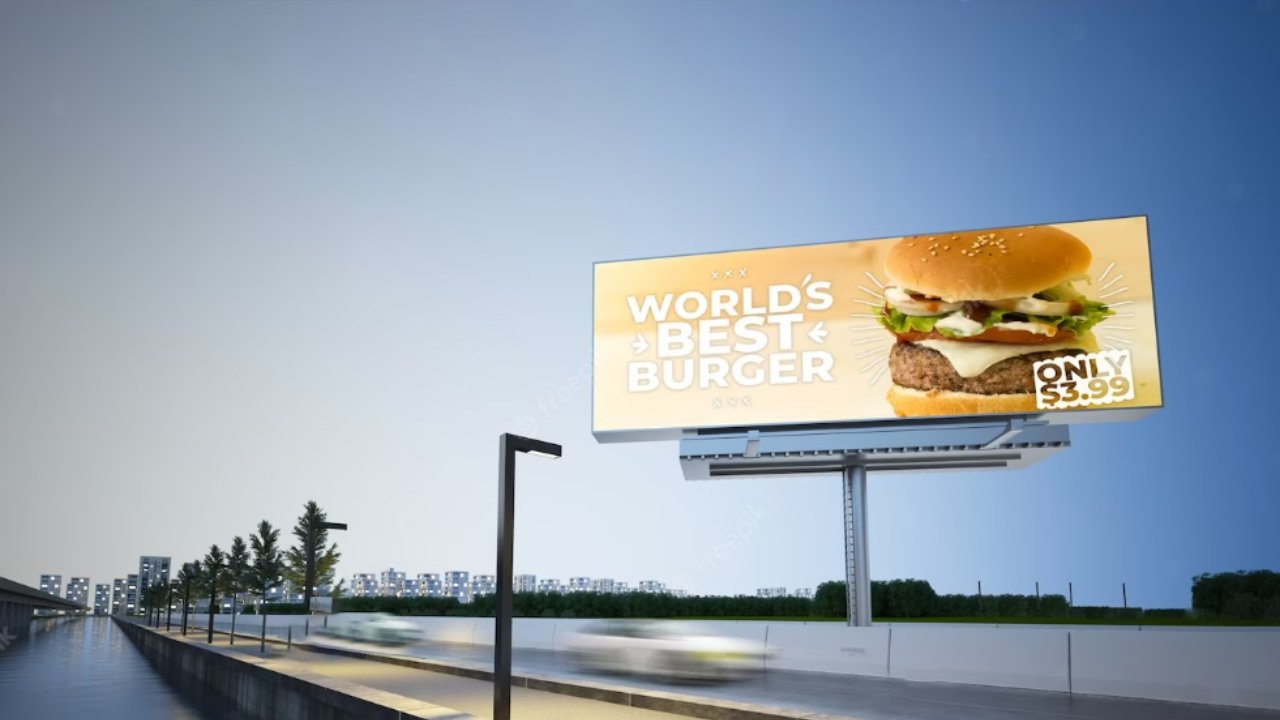
Static billboards are the most common big printed signs on roads. Their best part is that they stay the same. They show your brand all the time and are placed where many people pass, like on major roads and main city streets. A big, bright sign can grab people in seconds and leave a strong mark. They perform best when used for a straightforward message that sticks in people’s minds. If you aim to establish a long-term brand presence in a market rather than frequently changing promotional content, static billboards are more cost-effective than digital screens.
Wallscapes and murals
Wallscapes and murals are ads that blend into the city’s look. They go on the outside walls of buildings and use big pictures or hand-painted art to catch the eye of people walking by. This shows not only your brand but also your brand’s feel and style. People may stop, take photos, and share them, which gives you free reach.
This type works very well for brands that want long-term, landmark exposure, since a well-made mural can become a known spot in the area. If you want to join the city in a more fun and special way, this format is a good choice. But you must talk to the building owner or local office first to get their okay, and you also need enough time to make it.
Building Wraps
Building wraps cover the building with a very large printed cover. The picture stays still, but the area it covers is much bigger. The cost is also much lower than that of an LED wall. This makes them good for long-term, landmark-style exposure.
Transit and Mobile Advertising

Transport and mobile ads make your brand move with the city. Screens are put inside and outside buses, trains, and taxis. People see your ad frequently in their daily trips. They have time to read it. Many of these screens are now digital. You can change your content based on the route and time, which gives you a more exact aim.
Mobile ads go further. You put your brand mark on your work vans or delivery cars. Then, normal trips show your brand all the time. For small and medium service businesses, this costs very little. You can get many free views over a year from using this together with fixed spaces. One stays in place, and the other goes out. That way, your brand reaches more people.
Street Furniture Advertising

Street furniture advertisements are placed on public amenities including bus stops, benches and news boxes. These everyday things become spaces for your ad. The main value is that you get close to people. You meet them face to face. This type works very well for local brand exposure. For example, you may want to reach one part of a city. That part could be a shop or a small area where people live. This ad can send your message right to those people.
Many street furniture units now incorporate digital displays. This lets you change your content fast. It gives you more choice and an exact aim. It uses the city’s own things. It turns normal public spaces into your brand’s place. This is a simple and very good way.
Digital Out-of-Home (DOOH) Advertising

Electrical Billboard
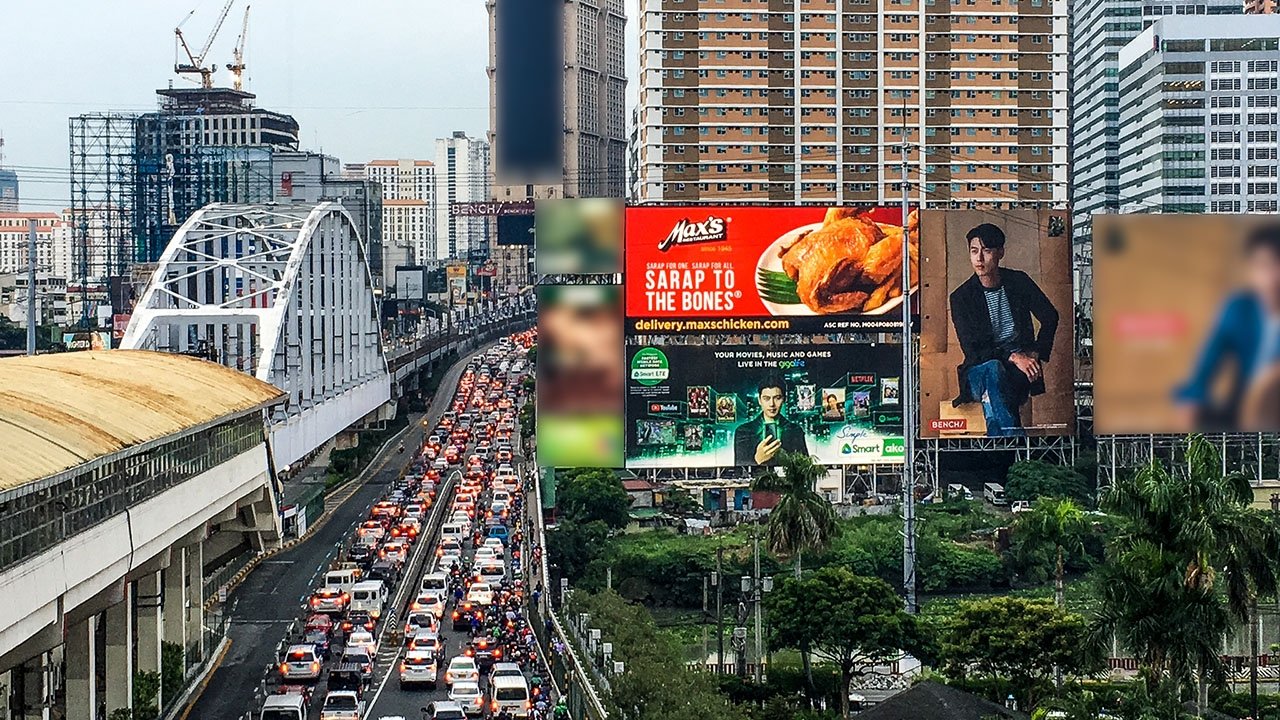
Electrical billboards are large-format displays installed along highways, major roads, city centres and commercial districts. They provide exceptional visibility and can deliver advertising content to thousands of viewers every day. The best thing about them is that you can change the content at any time without waiting. These screens work very well for time-sensitive deals or content that needs to be often updated. You can also change the visuals based on the weather and the time of day, so your ad always feels new. If you want to fit your brand message into the times when people are waiting or have nothing to do, this type is good.
LED Video Walls
LED video walls and building wraps both turn a whole building into your ad. LED video walls use screens to cover the outside walls. These screens can show moving videos. The pictures are bright and catch people’s eyes, so they work best in shop areas and public squares. You can change the content at any time. When one event ends, you can switch to the next one right away.
Interactive / Smart Digital Signage

Interactive smart digital signs turn your ad from a one-way show into a two-way talk. They use touchscreens or sensors to let people play games, pick products, or make the screen change when they move. This kind of involvement helps people remember your brand much better, because they are more likely to recall things they did themselves.
If you want to go beyond just being seen and create a real-world brand moment people remember, this type is worth the money. It works very well in shopping centres, concept stores, and events, where it can pull in people, create talk, and spark more sharing on social media.
Retail & Place-Based Media

Retail and Mall Advertising
Shopping mall LED displays catch shoppers right on their buying path. The people there are already looking at a plan to buy. So they are much more ready to act than people who see ads on the street. With digital signs, you can also change content based on the time of day and send people straight to the shop door. This is not just about being seen. It is the step closest to a sale. For this reason, it works very well for shop brands and food chains. We suggest you pick spots with many people, like near doors and open centre areas. These spots bring the fastest results.
Event and Stadium Advertising
Events and stadium LED screens catch people where big crowds gather, and feelings run high. People stay in these places for a long time and pay close attention, so brand exposure works much better than in normal outdoor spots. Digital screens can show live scores and sponsor info. This lets you tie your brand to the crowd’s excitement and build a long-lasting link. If you want to put your brand deep into a sports or fun setting, this type is worth the money. It reaches tens of thousands of people at the venue. It also brings extra exposure through TV and social media. So the gain goes far beyond the venue itself.
Key Comparison
| Advertising Type | Reach | Flexibility | Investment Cost | ROI Potential | Best For |
| Poster | Local | Low | Low | Medium | Local promotions |
| Static Billboards | Very High | Low | Medium | High | Brand awareness |
| Street Furniture Advertising | High | Medium | Medium | Medium | Community marketing |
| Transit & Mobile Advertising | High | Medium | Medium | High | Regional campaigns |
| Wallscapes & Murals | High | Low | High | Medium | Landmark branding |
| Building Wraps | High | Low | Medium | Medium | Large-scale campaigns |
| LED Digital Billboards | Very High | Very High | High | Very High | Commercial advertising |
| LED Video Walls | High | Very High | High | High | Premium locations |
| Interactive Digital Signage | Medium | Very High | High | High | Customer engagement |
| Retail & Mall Advertising | High | High | Medium | Very High | Retail promotions |
FAQ
How Long Does An Outdoor LED Advertising Screen Typically Last?
The rated life of LED chips in well-made outdoor LED screens is 100,000 hours. This is the time it takes for the brightness to drop to half of its starting level. In real projects, the time for good picture quality is usually 7 to 8 years. This is due to factors including heat management, power stability and screen brightness.
What Brightness Level Is Recommended For Outdoor Digital Advertising Displays?
To be seen clearly in direct sunlight, outdoor LED screens need a brightness of at least 5,000 nits. For spots that face south or west, a brightness of 6,000 to 8,000 nits is best. For spots that face north or are in the shade, 4,000 to 5,000 nits is enough. The screen must have a light sensor so it can change its brightness.
What Pixel Pitch Is Best For Outdoor Advertising Applications?
Pick based on how close people will be. For distances of 10 metres or more, P6 or P10 is the best choice. For distances of 4 to 10 metres, pick P4, P5, or P6. Use P2.5 or P3 only when people will be very close. A good pixel pitch gives you clear picture quality and keeps the cost down.
How Much Does An Outdoor LED Advertising Display Cost?
The total cost has three parts. The first part is the price of the screen panel. Depending on pixel pitch and brand, outdoor LED display panels typically range from several
hundred to several thousand US dollars per square meter. The second part is the cost of the steel frame and ground work. The third part covers power, internet, transport, setup, and any other fees for design approvals. To get a correct price, someone must visit and check the site.
Can Outdoor LED Displays Operate In Extreme Weather Conditions?
Most professional outdoor LED displays feature IP65 protection on the front and IP54 or higher on the rear. This keeps out water and dust. They use power parts and chips made for factory-level heat and cold. This lets them work well in temperatures from -20°C to 60°C. The display unit shall also be equipped with integrated lightning protection components and a heat-dissipation fan system.
Can Outdoor Digital Billboards Be Updated Remotely?
Modern outdoor digital billboards support cloud-based content management systems (CMS), allowing operators to update content remotely across multiple screens in real time. Operators can log in to the control system’s backend using a computer or mobile phone to instantly publish and synchronise content across single or multiple screens in different locations.
What Content Formats Are Supported By Modern Outdoor LED Displays?
The main control system works with common picture and video types. It also supports a live HDMI signal input. The system is built into one platform that can link directly with websites, social media, and data feeds. This lets it show moving content and auto-run ads.
Final Thoughts

As a one-stop service provider, we manage the entire process—from site surveys and structural design to installation—to ensure the screens have a long service life and are reliably protected. Please feel free to contact us; we will provide you with a cost-effective solution and a precise quotation.

